The observability layer for agents in prod.
Know when your agents are broken before your customers do. Real-time visibility while your agents are running. Not after they crash.

Know when your agents are broken before your customers do. Real-time visibility while your agents are running. Not after they crash.
Logging traces to a database and querying them yourself works only for testing environments and max your first customer but not when you start to scale. An incident goes live, and the run is too long or too broken to reconstruct with SQL while a customer waits.
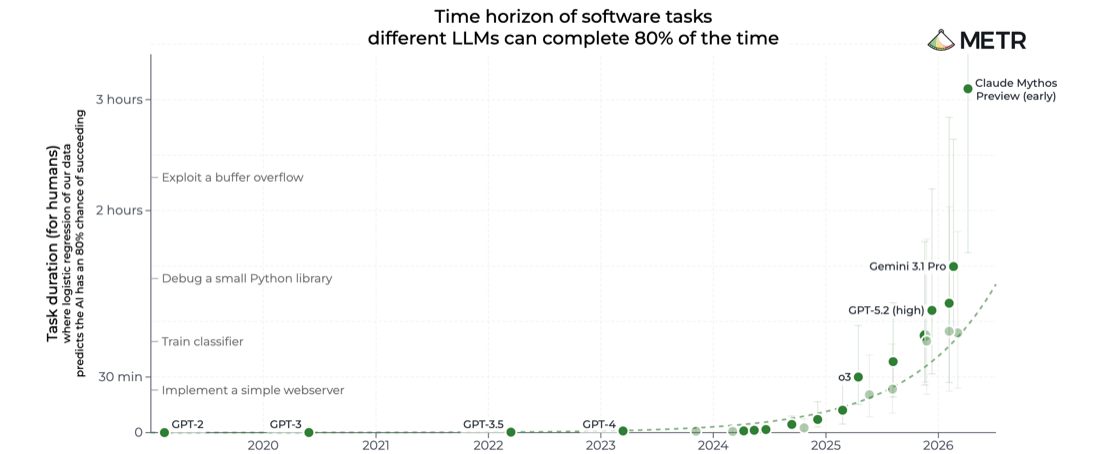
The chat-era tools don't help. They were built for short sessions that finish in seconds, not agents that run for hours, chain dozens of steps, stay always-on, or span multiple frameworks. When you're holding an SLA, “let me query the database and get back to you” is not a plan.
GlassFlow is built for that. Every step is persisted as it happens, and full sessions stay queryable in milliseconds even after days of runtime. It's the first observability layer that fits agents in production, so you catch the incident before your customer does.
Alongside the standard features, such as a dashboard, alerts, traces and span view, you will get unique functionalities.
An agent that runs for hours or days is one session, not thousands of disconnected requests. Glass0 correlates every span across restarts and sub-agents automatically.
Traces stream in over OpenTelemetry, and your coding agent queries them back over MCP. Claude Code, Cursor, or any MCP client finds the root cause and ships the fix. No human on the dashboard.
Embed observability in your own product, under your own domain. Your customers see exactly what your agents did, and that transparency earns trust and keeps them on your platform.
Query recent traces in milliseconds when you need them most, and older ones auto-tier to low-cost S3. Nothing is ever deleted, so you can debug, audit, prove compliance long after the run or use the data for ML.
Writing about long-running agents, the stack that does not exist yet, and what needs to be built.